The 19th arrondissement: alternative, affordable, ascending
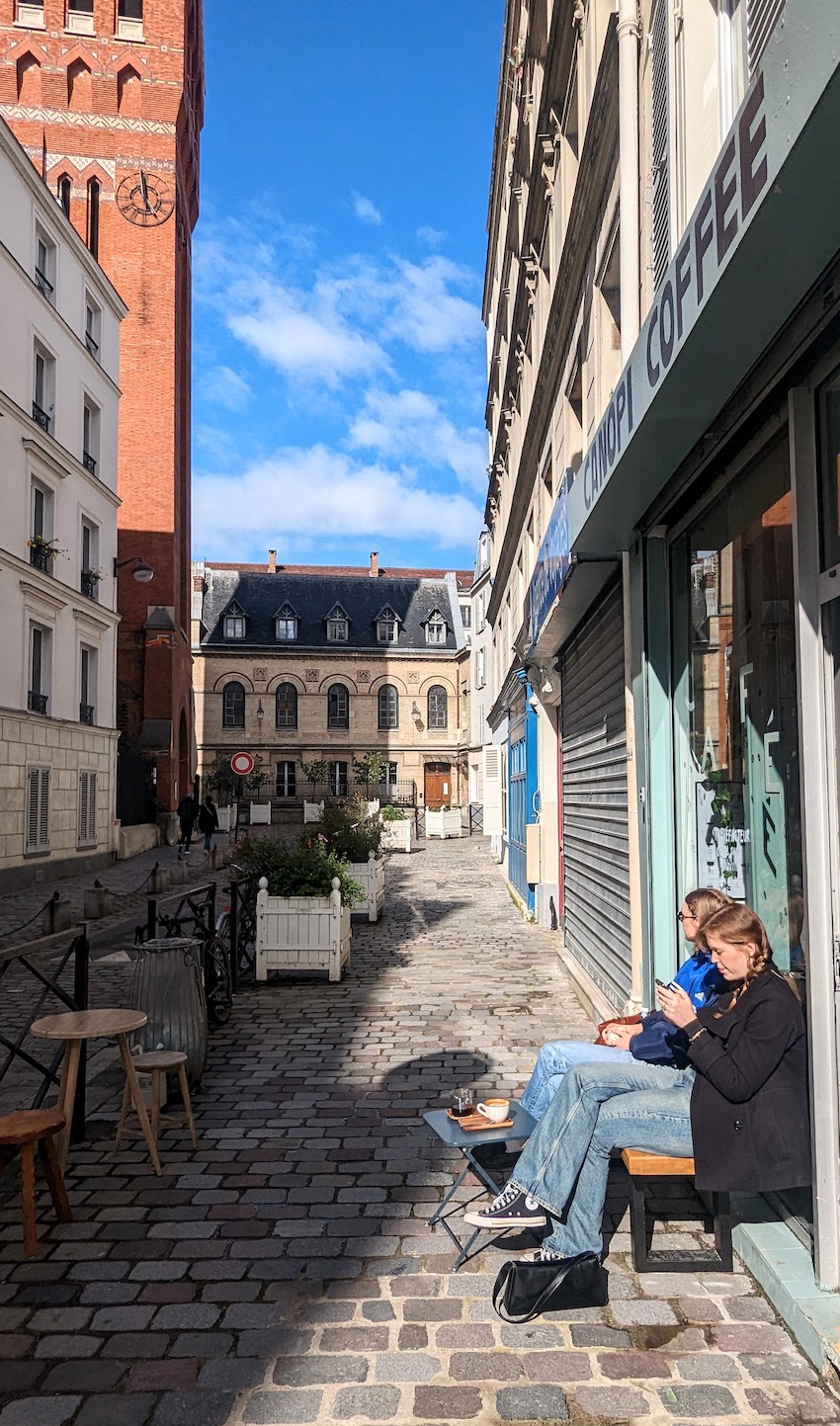
The 19th divides the crowd: hipster heartland of left-leaning twenty-somethings for some, urban apocalypse best admired from afar for others. As usual, the truth sits somewhere in between — though it’s definitely sipping a flat white on the hipster side.
Then vs. now
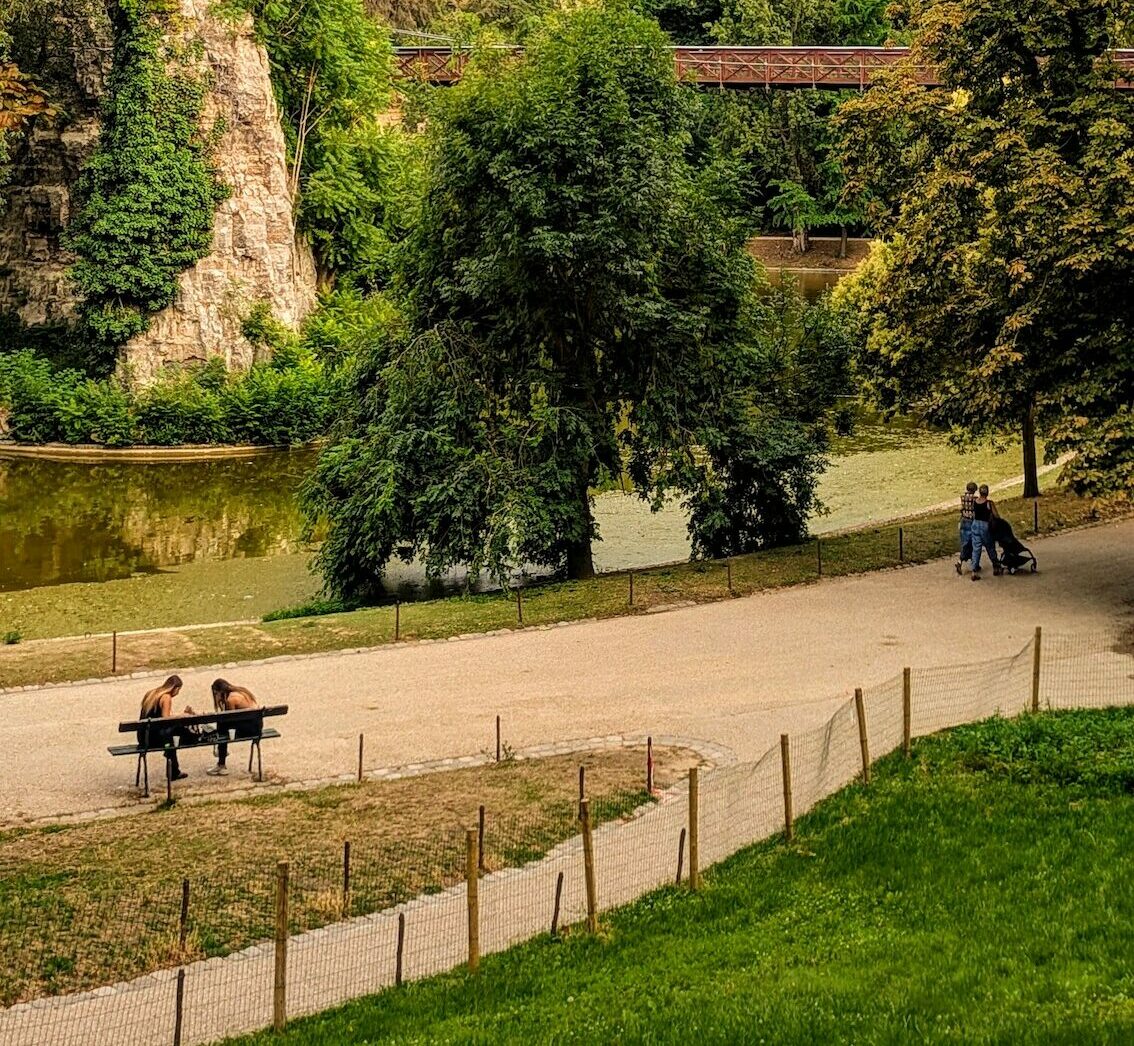
About ten years ago, my friend Céline moved into a cheap attic flat just beside the Buttes-Chaumont park. When I was temporarily back in Zurich, I’d often stay with her on weekends whenever I returned to Paris. I remember one sweltering July morning that turned her tiny apartment into hell’s waiting room. We fled with a blanket and a bottle of chilled wine and escaped to the park.
The meadow was almost empty; just a few cawing ravens and a scattering of solitary men sitting in the grass, staring blankly at nothing (and sometimes at us). We felt uneasy, so we packed up and pedaled all the way down to the Luxembourg Gardens, where families picnicked and students lazed under the trees.

If you visit the Buttes-Chaumont today, it’s hard to imagine that scene ever existed. Finding an empty patch of grass is now a minor miracle, and the park has become one of the city’s liveliest hangouts for young people. Don’t get me wrong, the 19th was already cool back then. Precisely because it was edgy, and yes, a little dodgy.
Gentrification in full swing
Ten years ago, my friend Elliot and his crew were already throwing illegal raves under the highway bridges and Sunday parties in the park. But it didn’t yet boast the parade of neo–wine bars, third-wave coffee shops, sourdough bakeries, and organic supermarkets (and some of the city’s best techno clubs) that line its streets today. Back then, if you wanted a coffee, you got a bitter, lukewarm one from the grimy brasserie across the street. Almond milk? Didn’t exist.
The 19th might just be the arrondissement that’s changed the most in the past decade. Despite ongoing gentrification, it still offers some of the most affordable rents within Paris’s city limits.
Three parks and a canal
The neighborhood flexes three major green lungs: the rollercoaster hills of Buttes-Chaumont, the smaller yet also hilly Butte du Chapeau Rouge and the vast Parc de la Villette, home to the gleaming, spaceship-like Philharmonie de Paris by Jean Nouvel. Add the Canal de l’Ourcq, with its waterfront cafés, microbreweries, and summertime paddleboarders, and you’ve got the city’s most eclectic backyard.

The only pockets that still feel a little rough around the edges are those brushing up against the 18th around Stalingrad, and near the Périphérique.
Discover local Paris in the 19th and beyond
Our bespoke itineraries cut through the clichés and bring you face-to-face with the Paris most visitors miss. Whether you’re after secret gardens, hidden ateliers, or that perfect unmarked wine bar, we tailor each experience to your pace, your passions, and your penchant for beauty. No umbrella-wielding tour guides, ever. Just Paris, personally curated.